
Welcome to UKTV

Who we are
Learn about UKTV and what we do.
Latest News
Find out about our latest news and exciting initiatives.
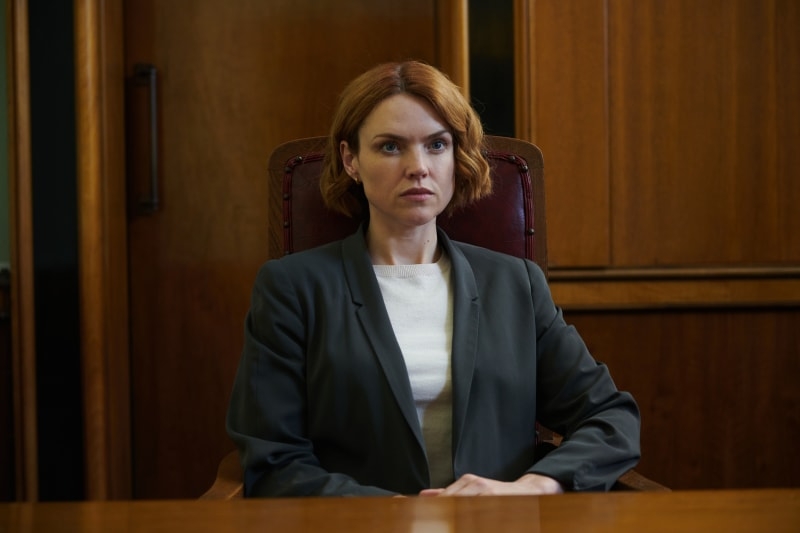
10.10.24
FIRST LOOK images released for Alibi and S4C’s upcoming legal crime drama, Mudtown
The series is a co-commission with Welsh language free-to-air channel S4C and All3Media Internationa...
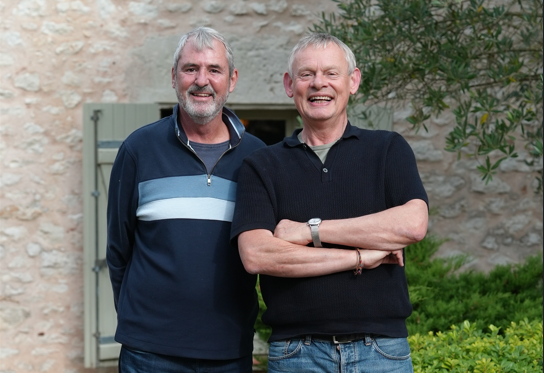
08.10.24
Gold welcomes viewers on Neil & Martin’s Bon Voyage
Neil Morrissey and Martin Clunes to reunite on screen to explore France

07.10.24
Gold launches annual ‘Christmas Crackers’ joke competition
TV channel Gold is challenges individuals across the nation to craft topical and witty Christmas cra...
23.09.24
Sky & UKTV extend multi-year partnership
Sky and UKTV have announced a multi-year extension to their long-standing partnership, securing carr...
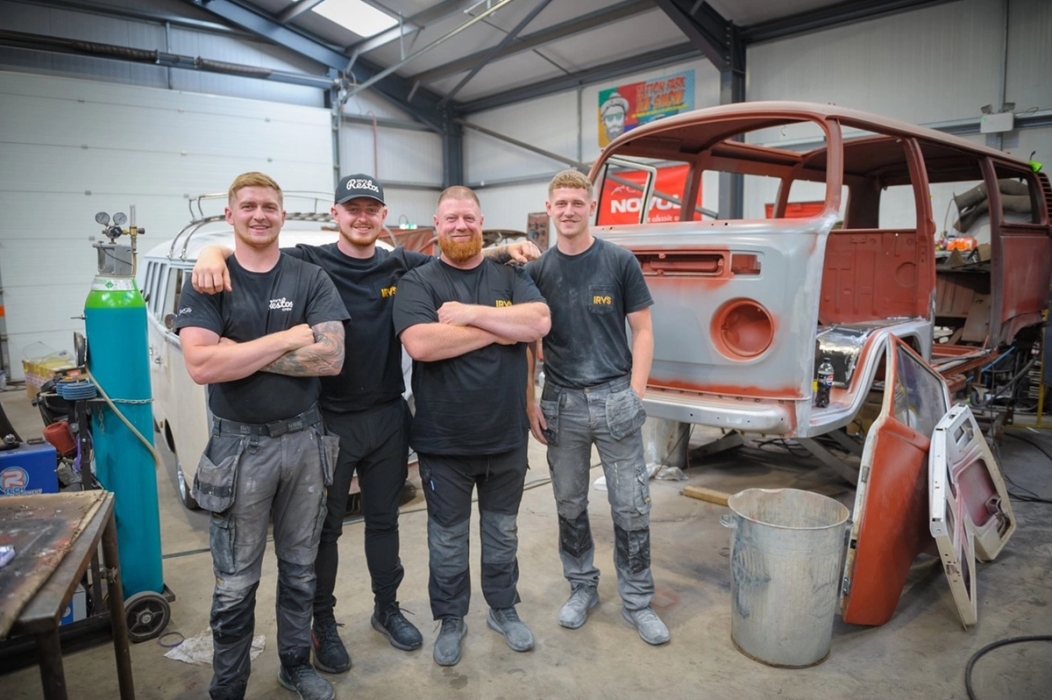
19.09.24
UKTV crowns the Classic Car Kings in new restoration series for U&YESTERDAY
Epic classic car restorations by the team at Irv’s Resto Shop are the subject of new 6x60’ series fr...
24.09.24
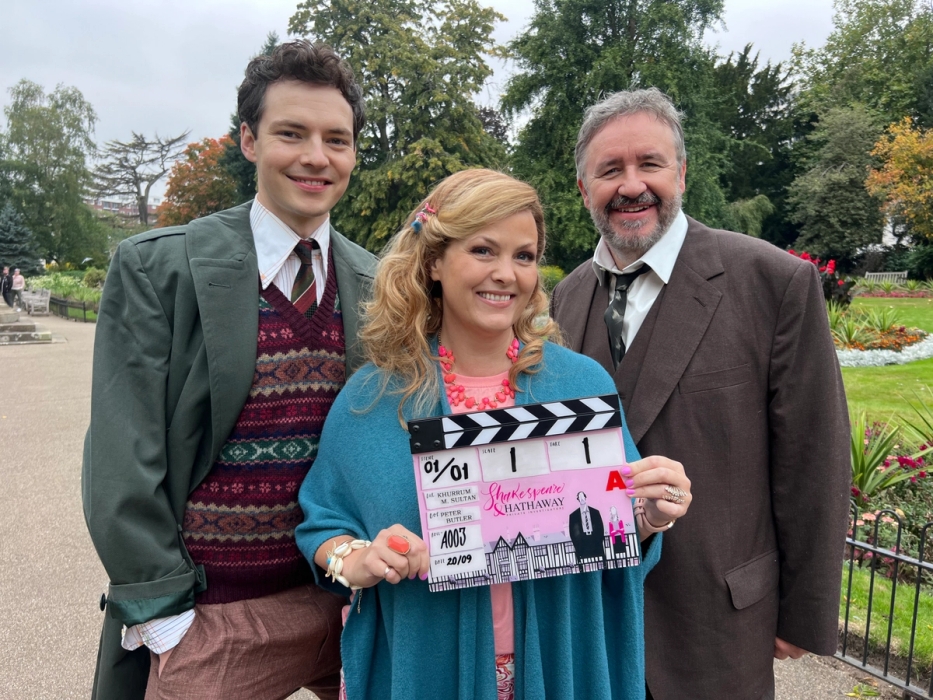
New episodes of Shakespeare & Hathaway: Private Investigators to premiere on Alibi before launching on BBC & iPlayer
Shakespeare & Hathaway: Private Investigators has been recommissioned for series five, produced by B...
18.09.24
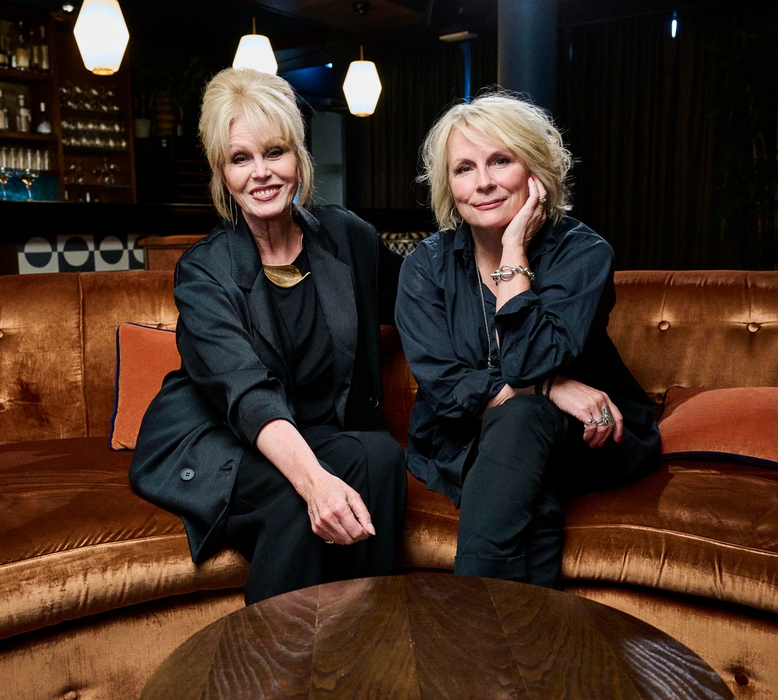
TV channel Gold’s Absolutely Fabulous: Inside Out is joined by celebrities Emma Bunton, Meera Syal, Ruby Wax and more
The one-off retrospective will air at 9pm on 17th October on Gold

18.09.24
Line up revealed for World’s Most Dangerous Roads S6
Johnny Vegas & Lucy Beaumont and Babatunde Aléshé & Kae Kurd are the comedians taking part in brand...

17.09.24
FIRST LOOK at Damien Molony in re-imagined series of Bergerac for U and U&DRAMA
Other cast include Zoe Wanamaker, Philip Glenister and many more
05.09.24
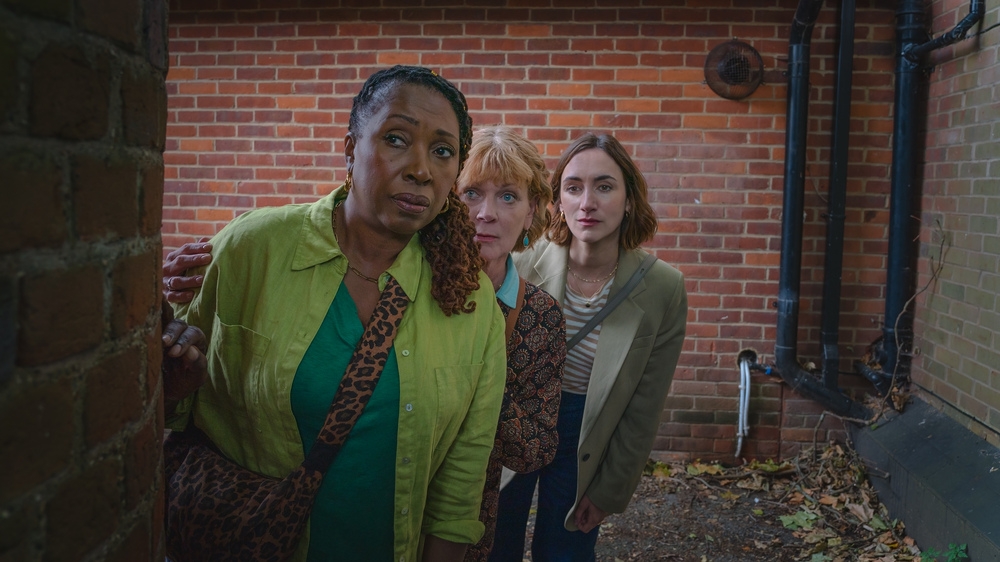
FIRST LOOK: The Marlow Murder Club welcomes star-studded line-up of guest stars for second series on U and U&DRAMA
Nina Sosanya, Samantha Womack, Hugh Quarshie and Patrick Robinson join the cast for series two.

16.09.24
UKTV joins BBC, ITV, Channel 4 & Channel 5 on Freely, the UK’s new live and on demand streaming platform
UKTV and Everyone TV - the organisation leading the evolution of free TV in the UK – have announced...
27.08.24
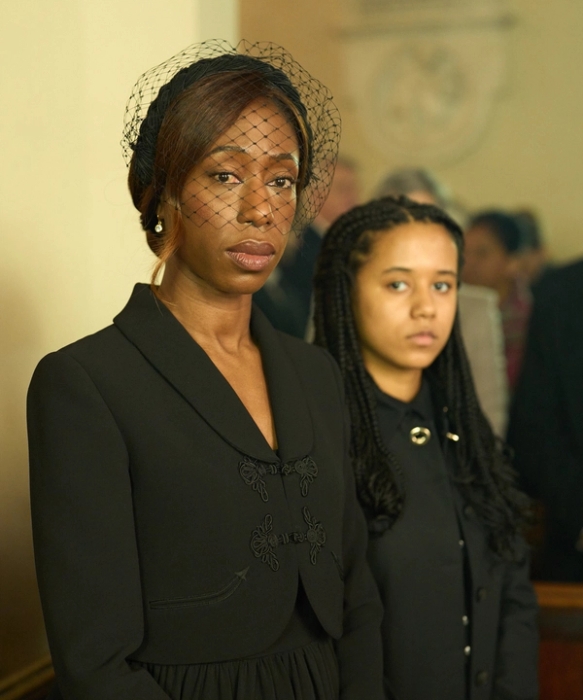
FIRST LOOK images released for upcoming Chris Lang drama I, Jack Wright on Alibi
The series is produced by Federation Stories and stars include Nikki Amuka-Bird, John Simm, Gemma Jo...
22.08.24
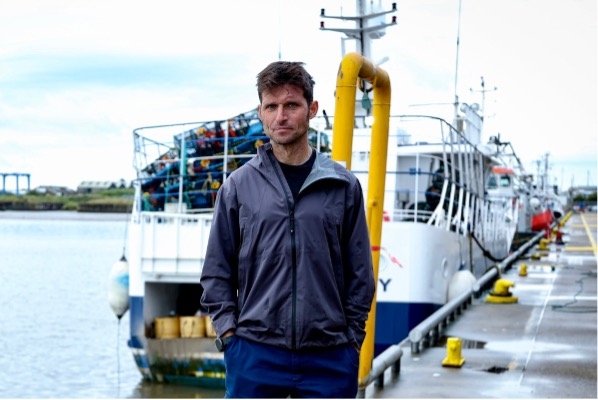
Guy Martin joins UKTV’s roster of talent with his first U&Dave Original series
TV star to immerse himself in demanding and dangerous jobs in Guy Martin’s Proper Jobs from North On...